3 Signs You Need water heater repair Austin TX
Hot water failures disrupt showers, laundry, and cleaning. If you are seeing odd noises or inconsistent temperatures, water heater repair Austin TX can prevent a small issue from becoming a leak or a full shutdown. This article explains the most common warning signs, how to do safe checks, and how to decide between repair and replacement.
You will also learn what a proper visit includes, what questions to ask about parts, and how to protect the system after service. The goal is to restore reliable hot water while keeping energy use under control. By the end, you will know when to call and how to prepare. A calm plan also helps you compare estimates and avoid rushed decisions. Keep a photo of the model tag and a note of the last service date.
Early warning signs for water heater repair Austin TX
Temperature swings are one of the earliest red flags. If hot water runs out quickly or turns lukewarm mid shower, the heating element or thermostat may be failing. Popping or rumbling sounds can signal sediment buildup that reduces efficiency and stresses the tank. Therefore, note when the problem started and whether it happens at specific times. These observations help a technician narrow the cause and avoid unnecessary parts. If the burner cycles frequently, it may be struggling to maintain temperature. Listen for a hissing sound that can suggest valve issues.
Rust colored water, moisture around the base, or a rusty odor are also warning signs. A slow drip can look minor but may indicate internal corrosion. In addition, a relief valve that discharges water often points to pressure or temperature problems. Do not tape a dripping valve or block the discharge line. Those fixes can hide a serious safety issue. A sudden drop in water pressure can also signal internal sediment buildup. If you see these signs, shut off power if safe and avoid forcing the unit to run.
Simple checks before you call
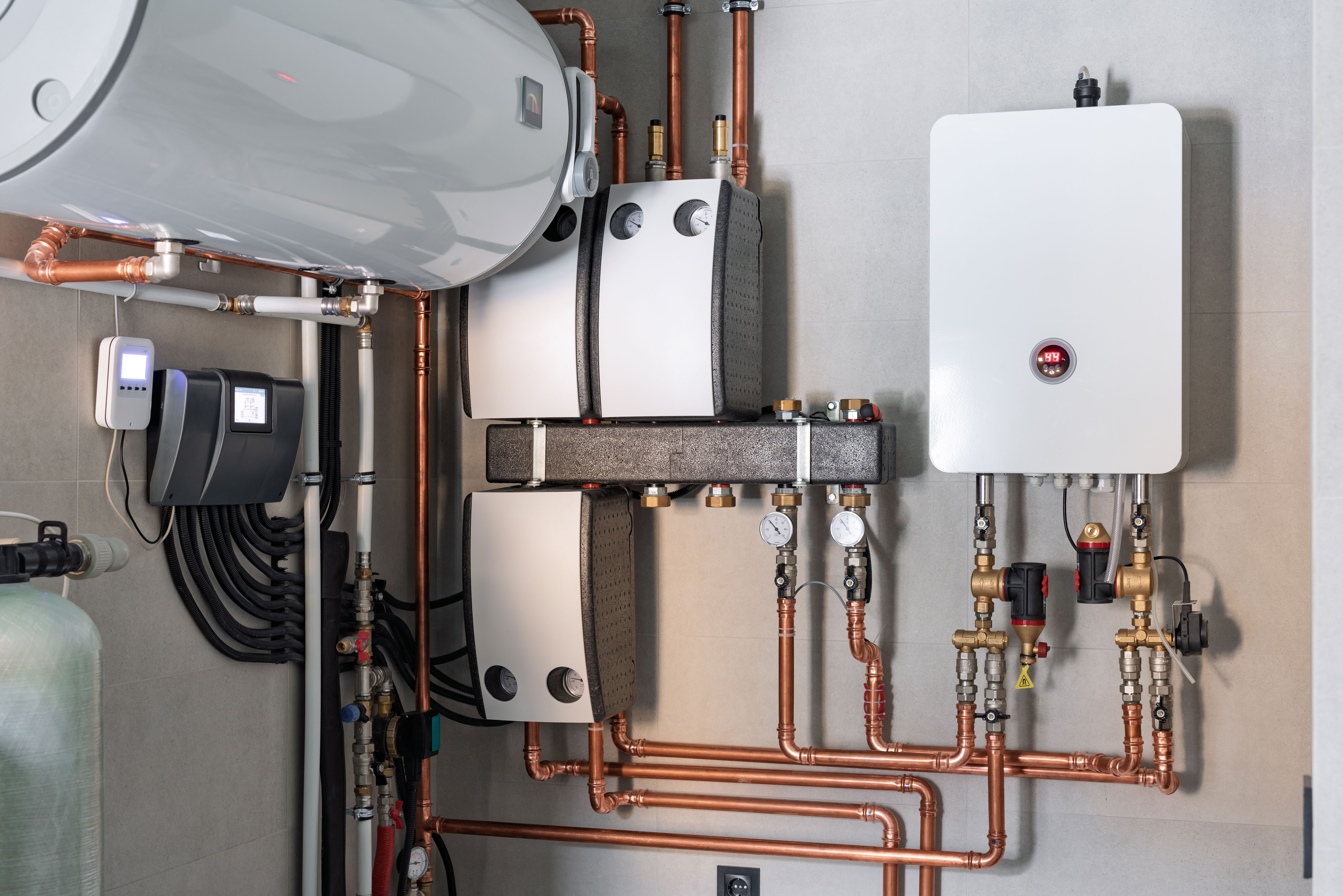
Before you call, confirm the basics. Check the breaker, verify the thermostat setting, and look for a tripped reset button. For water heater repair Austin TX appointments, write down the model, age, and fuel type so the technician arrives prepared. If the pilot light has gone out, follow the manual to relight it safely. However, avoid opening sealed panels or adjusting gas lines. Check for recent changes in water demand, such as guests or new appliances. A sudden increase can reveal a weak component.
If the unit has a drain valve, you can inspect for sediment by flushing a small amount of water into a bucket. Do this only if you are comfortable and the manual allows it. Watch for cloudy water or heavy grit. These clues show whether buildup is contributing to the problem. If you are not comfortable, skip the flush and wait for professional help. Safety is more important than speed. Use caution around hot water and avoid draining the tank if the unit is still hot. In addition, make sure the area around the tank is clear for access.
Repair vs replacement decision points
Age and efficiency drive the repair or replace decision. If the tank is near the end of its expected life, water heater replacement may be more cost effective than repeated fixes. A reputable provider will explain whether a water heater replacement service is a better long term option based on energy use, safety, and part availability. Therefore, ask for both repair and replacement estimates. Consider energy efficiency ratings and potential rebates when you compare options. A higher efficiency unit can lower monthly bills and offset a larger upfront cost. Ask about the expected timeline for installation so you can plan around downtime.
If you own rental properties, compare local pricing. Rates for water heater replacement Austin TX can differ from quotes for water heater replacement Round Rock TX because of supply and travel time. Collect clear scopes so you can compare apples to apples. This helps you pick the best option without rushing. Ask about disposal of the old unit and any permit requirements in your area. These details affect scheduling and total price.
What a professional visit should cover
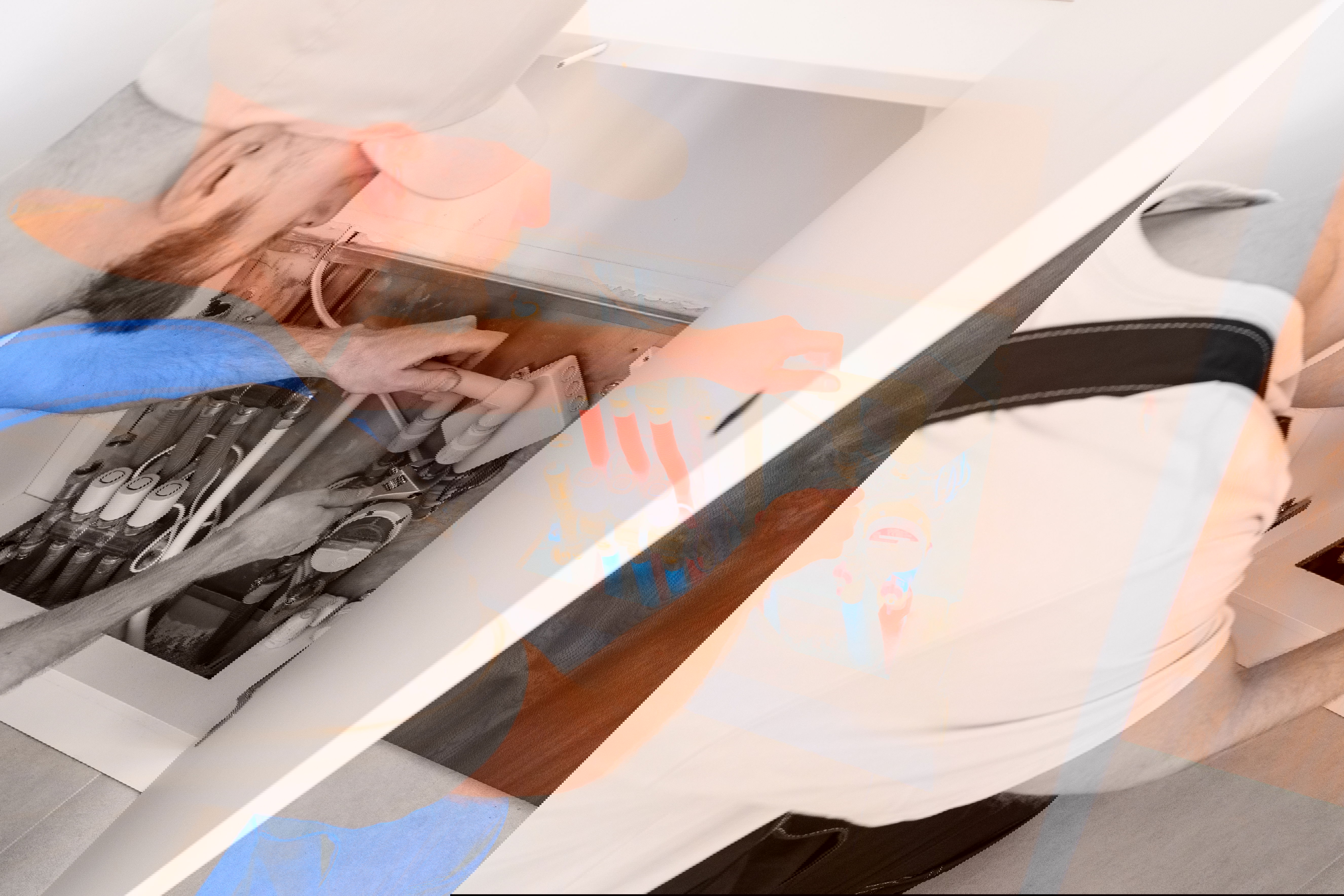
A professional visit should include electrical or gas checks, a full leak inspection, and a review of venting and safety controls. For water heater repair Austin TX calls, ask the technician to explain which parts failed and why. This clarity helps you avoid repeat issues and supports any warranty claim. It also shows whether the unit was used correctly before the failure. Request photos of worn components if possible, especially if you plan to claim a warranty. A written summary of test results can be useful later.
A thorough inspection often covers:
- Element or burner testing and thermostat calibration.
- Anode rod condition and tank corrosion review.
- Pressure relief valve function.
- Venting and airflow checks for safe exhaust.
- A final performance test at target temperature.
If gas is involved, confirm that carbon monoxide safety checks are part of the visit. Clear communication helps you understand the repair scope. Keep a note of the technician name and license number for future reference. These steps confirm a safe, stable repair.
Protecting the system after service
After the repair, simple habits can extend the system life. Flush a small amount of sediment on a schedule, keep the area dry, and check for small leaks each month. For water heater repair Austin TX follow ups, ask for a maintenance interval that matches your water quality. Therefore, set reminders so the care plan becomes routine instead of reactive. Set the thermostat to a stable, recommended range instead of frequent adjustments. Insulating exposed pipes can reduce heat loss and cycling. If you live in a hard water area, scale can build faster.
If you manage properties outside the city, plan ahead for regional supply. A quote for water heater replacement Cedar Park TX or water heater replacement Pflugerville TX may take longer if specific tank sizes are limited. Ordering early and confirming access can prevent delays when a unit fails. This is especially important during peak winter demand. Check the area for rust stains or moisture and report them early. These small steps protect floors and walls.
Conclusion
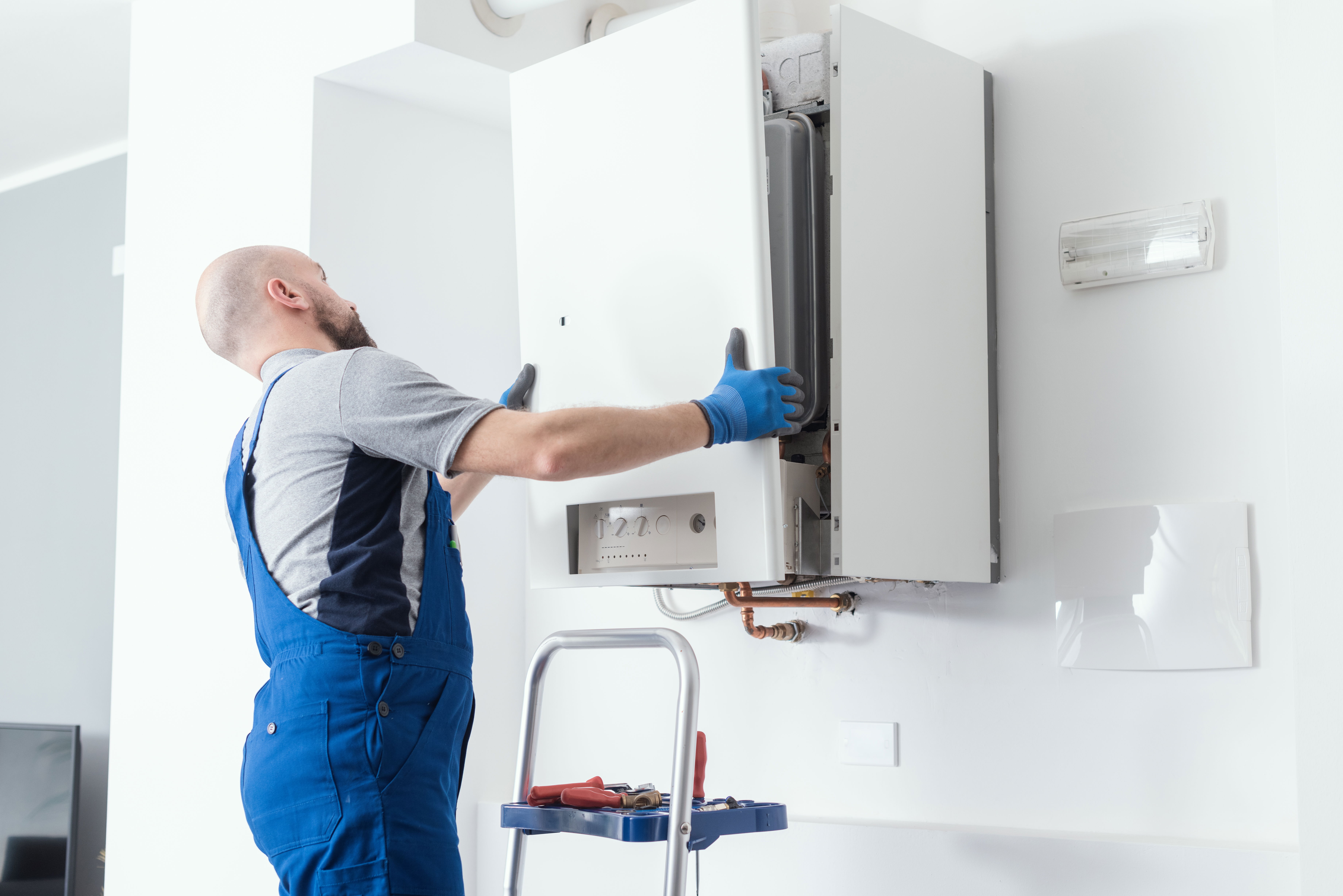
Reliable hot water requires timely action and clear decisions. If warning signs appear, gather details, ask for a full inspection, and compare repair versus replacement costs. When you schedule water heater repair Austin TX, you protect your home from leaks, reduce energy waste, and restore daily comfort. Keep the manual accessible and schedule a simple annual check. Keep maintenance simple, respond early to changes, and you will extend the life of the system. Contact a trusted technician when you are ready to move forward. Plan ahead.
FAQ
How quickly can water heater repair Austin TX be scheduled?
Scheduling depends on demand and parts, but many providers can visit within a few days. Ask for a time window and mention any safety concerns to prioritize the visit.
How often should a tank be flushed after a repair?
Many systems benefit from a light flush once or twice a year. Follow the technician guidance based on water hardness and usage.